

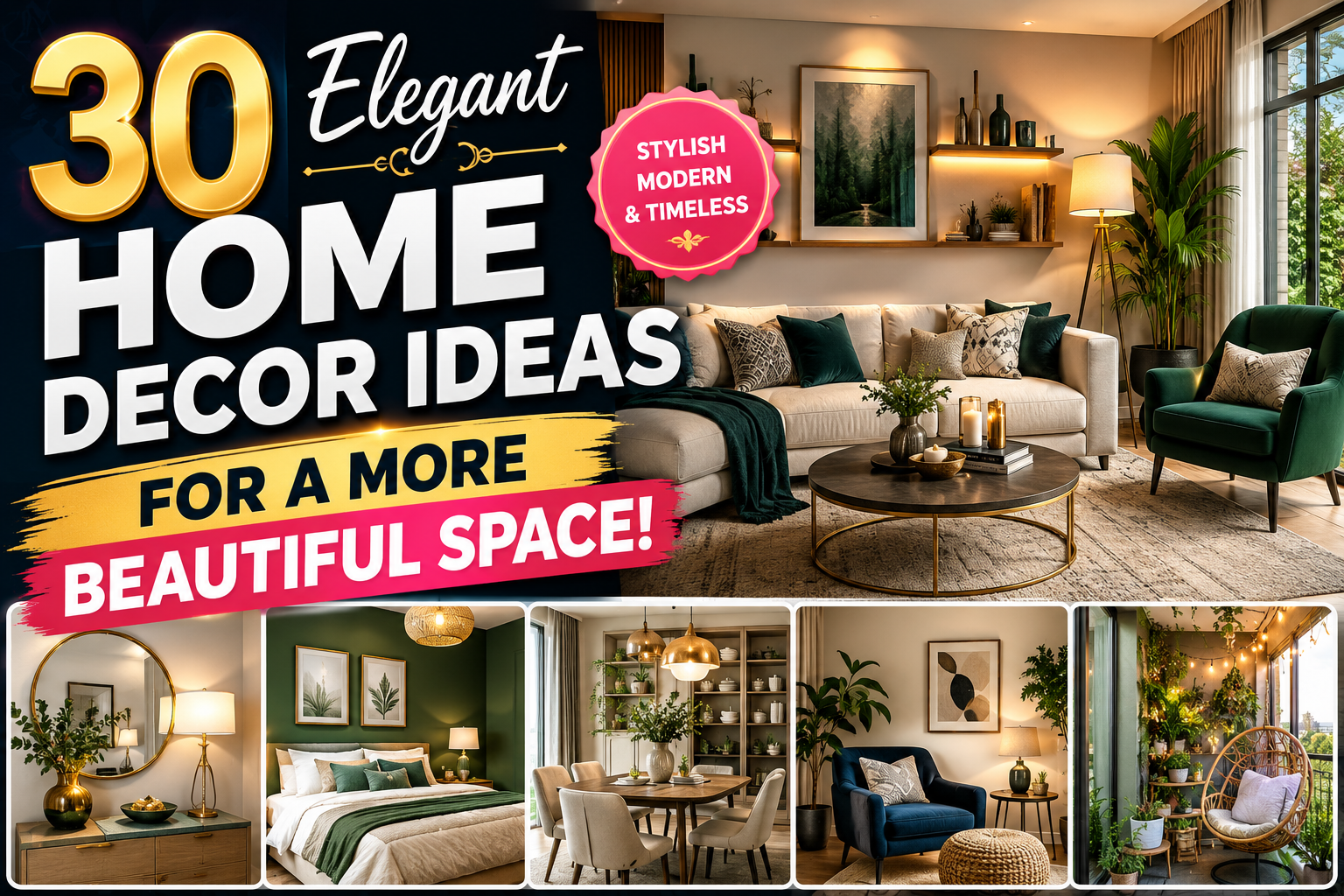
There is a profound difference between a house that is simply furnished and a home that is truly decorated with intention. The former satisfies function; the latter tells a story, evokes emotion, and reflects the refined sensibilities of the people who live within its walls.
Elegance in interior design is not about excess, nor is it about spending extravagantly on the most expensive furnishings available. Rather, it is about curation, restraint, and a deep understanding of proportion, texture, and light.
In this comprehensive guide, we will walk through 30 elegant home decor ideas that have been thoughtfully assembled to help you create a more beautiful, sophisticated, and welcoming living environment. Whether you are decorating a compact city apartment or a sprawling family residence, these principles are universally applicable.
Each idea has been selected not merely for its aesthetic appeal, but for its ability to work harmoniously within a broader design philosophy—one where every object, color, and material serves a purpose.
Elegant decor is, at its core, a study in balance. It balances old with new, minimal with layered, warm with cool. It invites the eye to move gracefully through a space rather than being arrested by visual clutter.
As you read through these ideas, consider not just how each element looks in isolation, but how it might interact with the furnishings, architecture, and natural light already present in your own home. True elegance is never generic; it is always, in the best sense, personal.
Let us begin this journey toward a more beautiful, more considered home.
1. Embrace a Refined and Restrained Color Palette
The foundation of any elegant interior begins with color. Rather than reaching for an eclectic mix of bold hues, sophisticated homes typically rely on a restrained palette of three to five complementary tones. Soft neutrals—think warm ivory, greige, oatmeal, and soft taupe—create a serene backdrop that allows architectural details and statement furnishings to shine.
When you commit to a cohesive color story throughout adjoining rooms, the entire home feels intentional rather than disjointed. Consider layering in one or two deeper accent tones, such as a deep forest green or a rich burgundy, to add depth without overwhelming the senses.
This disciplined approach to color is perhaps the single most transformative decision you can make in pursuit of elegance.
2. Invest in Statement Lighting Fixtures
Lighting is the jewelry of interior design, and nothing communicates refined taste quite like a beautifully chosen chandelier, pendant, or sculptural floor lamp.
A statement fixture above a dining table or in a foyer immediately elevates the perceived quality of a room, often more effectively than costly furniture. Look for fixtures crafted from brass, hand-blown glass, or alabaster, as these materials age beautifully and possess an inherent warmth that mass-produced fixtures lack.
When selecting a piece, consider scale carefully; a fixture that is too small will read as an afterthought, while one that is generously proportioned becomes a genuine focal point. Layering ambient, task, and accent lighting throughout each room also ensures that your home feels inviting at every hour of the day.
3. Introduce Natural Textures Through Layered Materials
Elegance is deeply tactile. A room filled entirely with smooth, uniform surfaces can feel cold and sterile, no matter how beautiful the color scheme. To counter this, incorporate a variety of natural textures—linen upholstery, boucle fabric, rattan accents, hand-woven baskets, and stone or marble surfaces.
This interplay of textures creates visual interest and depth, inviting touch and creating a sense of warmth. A linen sofa paired with a leather ottoman and a jute rug, for instance, creates a layered richness that no single texture could achieve alone.
When curating textures, aim for contrast without chaos—each material should feel like it belongs to the same considered narrative.
4. Curate Art With Purpose, Not Just Decoration
Art is one of the most powerful tools for establishing elegance and personality within a home, yet it is often treated as an afterthought. Rather than filling walls with generic prints, take the time to curate pieces that genuinely resonate with you—whether that means investing in original works from emerging artists, collecting vintage prints from estate sales, or commissioning a custom piece for a particular wall.
Consider the scale of your art relative to the wall and surrounding furniture; oversized art in a modestly sized room can feel dramatic and intentional, while too many small pieces scattered without cohesion can create visual noise.
Gallery walls, when done thoughtfully with consistent framing and spacing, can also serve as a striking focal point in a hallway or staircase.
5. Prioritize Quality Over Quantity in Furniture Selection
One of the defining hallmarks of elegant interiors is a commitment to quality over sheer volume. Rather than filling every corner of a room with furniture, sophisticated homes often feature fewer, more considered pieces—each selected for its craftsmanship, material integrity, and timeless silhouette.
A single well-made armchair upholstered in a beautiful fabric will always outperform three mediocre pieces in terms of visual and tactile impact.
This philosophy extends to case goods as well; a solid wood dresser or console with dovetail joinery will not only look more refined but will also last for generations, making it a wiser long-term investment than disposable furniture.
6. Layer Rugs for Depth and Warmth
An underrated technique among professional interior designers is the layering of rugs—placing a smaller, textured rug atop a larger, more neutral one.
This approach adds dimension to a room’s flooring, defines seating areas within open-plan spaces, and introduces additional texture and pattern without overwhelming the palette. A jute or sisal rug as a base layer, topped with a vintage Persian or Moroccan rug, creates an effortlessly collected look that feels simultaneously grounded and luxurious.
When selecting rugs, prioritize natural fibers such as wool, silk, and jute, as these materials possess a richness and durability that synthetic alternatives cannot replicate.
7. Incorporate Vintage and Antique Pieces
Nothing lends a home instant character and sophistication quite like the inclusion of vintage or antique furnishings. A single antique mirror, an inherited side table, or a mid-century credenza sourced from an estate sale introduces a sense of history and narrative that new furniture simply cannot replicate.
These pieces also serve as natural conversation starters, adding a layer of personality that distinguishes your home from a showroom.
When integrating vintage finds into a contemporary space, the key is balance—pairing one or two antique pieces with predominantly modern furnishings prevents the room from feeling dated while still capturing that coveted “collected over time” aesthetic.
8. Dress Windows With Floor-to-Ceiling Drapery
Window treatments are frequently overlooked, yet they hold tremendous power in shaping the elegance of a room. Floor-to-ceiling drapery, hung as close to the ceiling as possible and extending just past the floor, creates the illusion of taller ceilings and grander proportions.
Opt for natural fabrics like linen or silk in soft, neutral tones that allow ample natural light to filter through while still providing privacy and softness.
Avoid short, stiff curtains that stop above the windowsill, as these can make a room feel visually truncated. Well-executed drapery is one of the most cost-effective ways to instantly elevate the perceived luxury of any room.
9. Style Bookshelves With Intention
An often-neglected area of the home, bookshelves present a wonderful opportunity for curated display. Rather than haphazardly stacking books and trinkets, take time to style your shelves thoughtfully, grouping books by color or size, interspersing them with sculptural objects, small framed photographs, and greenery.
Leave some negative space rather than filling every inch, as breathing room is essential to an elegant composition. Consider incorporating a few larger coffee table books horizontally to break up the visual rhythm of vertically stacked spines, and use bookends crafted from stone, brass, or wood to add a sculptural element to the arrangement.
10. Introduce Fresh Greenery and Florals
Nothing breathes life into a space quite like fresh flowers and greenery. A simple vase of seasonal blooms on a kitchen island or dining table introduces color, fragrance, and a sense of vitality that no artificial decor can replicate.
For a more permanent solution, incorporate a variety of houseplants suited to your home’s light conditions—fiddle leaf figs, olive trees, and snake plants are particularly popular for their sculptural forms and relatively low maintenance requirements.
Displaying plants in elegant ceramic or woven planters, rather than their plastic nursery pots, further enhances the sophistication of the display.
11. Choose a Cohesive Metal Finish
Mixing too many contrasting metal finishes throughout a home—brass in one room, chrome in another, brushed nickel elsewhere—can create a disjointed, unplanned feeling. Elegant interiors typically commit to one or two complementary metal tones used consistently across light fixtures, cabinet hardware, and decorative accents.
Warm metals such as brass, gold, and bronze lend a timeless, luxurious quality, while cooler tones like brushed nickel and matte black offer a more contemporary edge. Consistency in metal finishes, much like consistency in color palette, contributes significantly to a home’s overall sense of polish.
12. Add Architectural Interest With Molding and Trim
If your budget allows for structural updates, adding architectural details such as crown molding, wainscoting, or picture frame molding can dramatically enhance the perceived elegance of a room. These details introduce a sense of craftsmanship and permanence that flat, unadorned walls simply cannot achieve.
Even a modest addition, such as a painted chair rail or a simple picture-frame molding pattern in a dining room, can evoke the timeless character of a classic European interior. For renters or those with limited budgets, peel-and-stick molding kits offer a more accessible way to achieve a similar effect.
13. Style a Console Table in the Entryway
The entryway sets the tone for the entire home, making it one of the most important spaces to decorate with care. A beautifully styled console table, adorned with a mirror above, a table lamp, a small dish for keys, and a vase of fresh flowers, creates an immediate impression of warmth and sophistication.
This is the first space guests encounter, and a thoughtfully curated entryway signals that the same attention to detail extends throughout the rest of the home. Choose a console with elegant tapered legs or a sculptural silhouette to serve as a subtle but impactful design statement.
14. Use Mirrors to Expand Light and Space
Strategically placed mirrors serve both a functional and aesthetic purpose in elegant interiors. Beyond their obvious utility, mirrors reflect natural and artificial light, making rooms feel brighter and more expansive. An oversized mirror leaning against a wall in a living room, or a series of smaller mirrors arranged in a gallery-style configuration, can dramatically alter the perceived dimensions of a space.
Choose frames that complement your existing metal finishes and furniture styles—an ornate gilded frame for a more traditional space, or a slim, unadorned frame for a minimalist, contemporary aesthetic.
15. Layer Throw Pillows and Blankets With Restraint
While throw pillows and blankets are a simple and inexpensive way to add color and texture to a sofa or bed, restraint is essential. Overloading a sofa with a dozen mismatched pillows can quickly veer into clutter rather than elegance. Instead, select two to four pillows in complementary but not identical fabrics and patterns, mixing textures such as velvet, linen, and boucle.
A single draped throw blanket, folded neatly or casually tossed, adds a final layer of coziness without overwhelming the composition. This principle of “curated abundance” rather than “excessive accumulation” applies throughout the home.
16. Incorporate a Statement Rug in the Living Room
The rug beneath your living room furniture does more than protect flooring—it anchors the entire seating arrangement and establishes the room’s visual foundation.
An elegant living room typically features a large area rug that extends beneath the front legs of all major furniture pieces, creating a sense of cohesion rather than a floating arrangement of disconnected furnishings.
Opt for rugs in natural fibers with subtle patterns or solid tones that complement, rather than compete with, your existing color palette.
17. Create a Symmetrical Furniture Arrangement
Symmetry is deeply associated with elegance and formality in interior design, evoking the balanced proportions found in classical architecture. Consider arranging matching armchairs on either side of a fireplace, identical table lamps flanking a bed, or paired console tables in an entryway.
While asymmetry has its place in more casual or eclectic interiors, a degree of symmetry in key focal areas—particularly living rooms, bedrooms, and dining rooms—creates an immediate sense of order and sophistication that the eye instinctively reads as harmonious.
18. Choose Timeless Over Trendy
Perhaps the most important underlying principle of elegant decor is a commitment to timelessness over fleeting trends. While it can be tempting to chase the latest viral aesthetic, truly elegant homes are built on a foundation of classic forms, quality materials, and neutral palettes that will remain beautiful for decades, not merely for a season.
This does not mean forgoing personality or contemporary touches entirely—rather, it means reserving trend-driven choices for easily changeable elements like throw pillows or artwork, while investing in timeless, high-quality pieces for larger, more permanent purchases such as sofas, dining tables, and case goods.
19. Add Warmth With Candlelight
Few elements evoke intimacy and elegance as effectively as candlelight. Grouping pillar candles of varying heights on a mantel, styling taper candles in elegant brass or ceramic holders on a dining table, or scattering votives throughout a living space creates a warm, flickering ambiance that overhead lighting simply cannot replicate.
Beyond their visual appeal, candles also introduce a sensory dimension through fragrance, further enhancing the atmosphere of a well-decorated home. Choose unscented or subtly scented candles for dining areas to avoid interfering with food aromas.
20. Display Curated Collections
Whether it is a collection of antique ceramics, vintage cameras, hand-thrown pottery, or travel souvenirs, displaying curated collections thoughtfully can add tremendous character to a home.
The key distinction between a collection and clutter lies in intentional presentation—grouping like items together, displaying them on a dedicated shelf or shadow box, and ensuring the collection tells a cohesive visual story.
A haphazard scattering of collected objects throughout a home reads as disorganized, while a deliberately curated display becomes a genuine design statement.
21. Upgrade Cabinet and Door Hardware
Small details often make the most significant difference in a home’s overall sense of polish. Replacing builder-grade cabinet hardware and door handles with more refined options—unlacquered brass knobs, sculptural pulls, or fluted glass hardware—is a relatively inexpensive update that yields an outsized visual return.
This is particularly impactful in kitchens and bathrooms, where hardware is frequently touched and closely observed. Consistency in hardware finish throughout the home further reinforces the cohesive, intentional aesthetic that defines elegant interiors.
22. Introduce a Statement Headboard in the Bedroom
The bedroom is a deeply personal sanctuary, and an elegant upholstered headboard can serve as its focal point. Fabrics such as velvet, linen, or boucle in soft, calming tones create a sense of luxury reminiscent of a boutique hotel suite.
Consider a tall, channel-tufted headboard for a dramatic, formal effect, or a simple, softly curved headboard for a more understated elegance. Pairing the headboard with coordinating bedding in high-quality natural fibers—Egyptian cotton, linen, or silk—further elevates the sense of refined comfort.
23. Use Wallpaper to Add Pattern and Depth
Wallpaper has experienced a significant resurgence in recent years, and for good reason—it offers an unparalleled ability to introduce pattern, texture, and depth into a space. Consider a subtly textured grasscloth wallpaper for a living room, a botanical print for a powder room, or a delicate stripe for a hallway.
Wallpapering a single accent wall or a smaller, more contained space such as a powder room or entryway allows you to experiment with bolder patterns without overwhelming the entire home.
24. Balance Open Shelving With Closed Storage
In kitchens and living spaces, a combination of open shelving and closed storage creates visual interest while maintaining a sense of order. Open shelves allow for the display of beautiful dishware, glassware, or decorative objects, while closed cabinetry conceals less visually appealing everyday items.
The key to successful open shelving lies in careful curation and consistent styling—overcrowded or mismatched open shelves can quickly undermine an otherwise elegant space.
25. Incorporate Natural Stone Surfaces
Few materials communicate luxury and permanence quite like natural stone—marble, travertine, and limestone in particular. Whether used for kitchen countertops, a bathroom vanity, or a small side table, natural stone introduces organic veining and subtle color variation that manufactured materials cannot replicate.
While natural stone often carries a higher price point than engineered alternatives, its timeless beauty and durability make it a worthwhile investment in key areas of the home.
26. Frame Your Dining Table With Elegant Seating
The dining room presents a wonderful opportunity to make a formal design statement. Consider pairing a substantial wood or stone dining table with upholstered dining chairs in a durable, elegant fabric, rather than an entirely matched set of wooden chairs.
This mix of materials introduces visual interest while maintaining cohesion. For an especially elegant touch, consider mismatched host chairs at either end of the table, upholstered in a complementary but distinct fabric.
27. Create a Serene Bathroom Retreat
Elegant bathrooms borrow heavily from the language of luxury spas—soft, neutral tones, natural materials, and thoughtfully chosen accessories. Replace plastic bottles with refillable glass or ceramic dispensers, introduce plush, high-quality towels in coordinating tones, and add a small tray for styling candles or a single stem of greenery.
Even in smaller bathrooms, these details create a sense of retreat and refinement that transforms a purely functional space into a genuine sanctuary.
28. Add a Statement Piece to Every Room
Every well-designed room benefits from a single statement piece—an element that immediately draws the eye and anchors the overall design.
This might be a striking piece of art, an antique rug, a sculptural light fixture, or an unusually shaped piece of furniture. The presence of one clear focal point prevents a room from feeling flat or generic, giving the eye a natural place to rest before exploring the surrounding details.
29. Maintain Negative Space
Perhaps counterintuitively, one of the most important principles of elegant decor is knowing when to stop. Negative space—the areas intentionally left empty of furniture, objects, or decoration—allows the eye to rest and prevents a room from feeling overwhelming or cluttered.
Resist the urge to fill every surface and every wall; instead, allow certain areas to remain deliberately spare, as this restraint is often what separates a truly elegant interior from a merely decorated one.
30. Personalize With Meaningful Objects
Finally, no home decor guide would be complete without acknowledging that true elegance is deeply personal. The most beautiful homes are not those that perfectly replicate a designer showroom, but those that reflect the unique history, travels, and tastes of the people who live within them.
Incorporate meaningful objects—a piece of pottery from a memorable trip, a family heirloom, a handwritten letter framed on a wall—alongside the more universal design principles outlined above. It is this layer of personal narrative that ultimately transforms a beautifully decorated house into a truly elegant home.
Bringing It All Together: A Holistic Approach to Elegant Decorating
While each of the thirty ideas outlined above can be implemented individually, the true magic of elegant home decor emerges when these principles are woven together cohesively throughout a space.
Begin by establishing your foundational color palette and metal finish, as these decisions will inform nearly every subsequent choice you make. From there, focus on investing in a handful of high-quality, timeless furniture pieces rather than filling your home with disposable, trend-driven items.
Layer in texture through rugs, textiles, and natural materials, and allow lighting—both natural and artificial—to play a starring role in shaping the atmosphere of each room.
Remember that elegance is not achieved overnight, nor does it require an unlimited budget. Many of the most sophisticated interiors are built gradually, piece by piece, over months or even years, as thoughtfully sourced items are added to a space with patience and intention.
Resist the temptation to fill every corner immediately; instead, allow your home to evolve organically, guided by the timeless principles of balance, quality, texture, and restraint.
Ultimately, the goal of elegant home decor is not to impress visitors with extravagance, but to create a space that feels calm, considered, and deeply personal—a true reflection of the life you wish to live within its walls.
Frequently Asked Questions
What is the difference between elegant and luxurious home decor?
While the two terms are often used interchangeably, elegant decor emphasizes timeless simplicity, quality materials, and restraint, whereas luxurious decor often implies a higher price point and more opulent, ornate detailing. A space can be elegant without being expensive, as elegance is fundamentally about thoughtful curation rather than cost.
How can I make my home look elegant on a budget?
Focus on high-impact, low-cost changes such as decluttering, updating hardware, introducing fresh greenery, and refining your color palette. Floor-to-ceiling drapery, well-styled shelves, and a few carefully chosen decorative objects can dramatically elevate a space without significant financial investment.
What colors are considered most elegant for home decor?
Soft neutrals such as ivory, greige, taupe, and soft white, paired with deeper accent tones like forest green, navy, or burgundy, are widely regarded as timeless and elegant color choices that suit a wide range of architectural styles.
How many decorative objects are too many for an elegant look?
There is no universal number, but a helpful guideline is to ensure that every object serves a visual or functional purpose and that adequate negative space remains visible on every surface. If a shelf or table feels crowded or chaotic at a glance, it is likely time to edit.
Should every room in my home follow the same design style?
While rooms need not be identical, maintaining a cohesive color palette, metal finish, and overall design philosophy throughout your home creates a sense of flow and intentionality as you move from room to room, which is a hallmark of elegant, well-designed interiors.