

We spend so much time caring for our faces in winter that the rest of our skin often gets forgotten. Then one day you pull on a wool sweater and realize your arms feel like sandpaper, your shins are flaking, and your elbows could double as an exfoliator.
Body skin has fewer oil glands than the face, so it dries out faster when the air turns cold and heaters come on. The fix is not complicated. A few small changes to how you shower, moisturize, and dress can make a remarkable difference. Here is a simple winter body care routine that works for most skin types.
This post contains affiliate links. As an Amazon Associate, Enchanted Chic earns from qualifying purchases, at no extra cost to you.
Why Body Skin Gets So Dry in Winter
Cold outdoor air holds very little moisture, and indoor heating dries the air even further. Add long hot showers, harsh soaps, and scratchy fabrics, and the skin barrier starts to lose water faster than it can replace it. The result is tightness, flaking, itching, and sometimes small cracks, especially on the shins, hands, elbows, and heels.
The 8-Step Winter Body Care Routine
1. Keep Showers Short and Lukewarm
A long, steaming shower feels wonderful on a cold morning, but hot water strips away the natural oils that protect your skin. Aim for five to ten minutes in warm, not hot, water. Your skin will thank you within days.
2. Switch to a Gentle, Creamy Body Wash
Foaming soaps and bar soaps with strong detergents can leave skin squeaky and tight. Look for creamy, fragrance-free body washes or cleansing oils that clean without stripping. Only wash the areas that really need it, such as underarms and feet; the rest of your body often just needs a rinse.
3. Exfoliate Gently, Once or Twice a Week
Dead skin builds up in winter and makes moisturizer less effective. A soft washcloth, a gentle sugar scrub, or a body lotion with lactic acid or urea can lift away flakes. Skip harsh scrubbing, which can irritate dry skin and make it worse.
4. Pat Dry, Do Not Rub
Rubbing with a towel adds friction to already fragile skin. Gently pat yourself dry and leave your skin slightly damp before the next step.
5. Moisturize Within Three Minutes
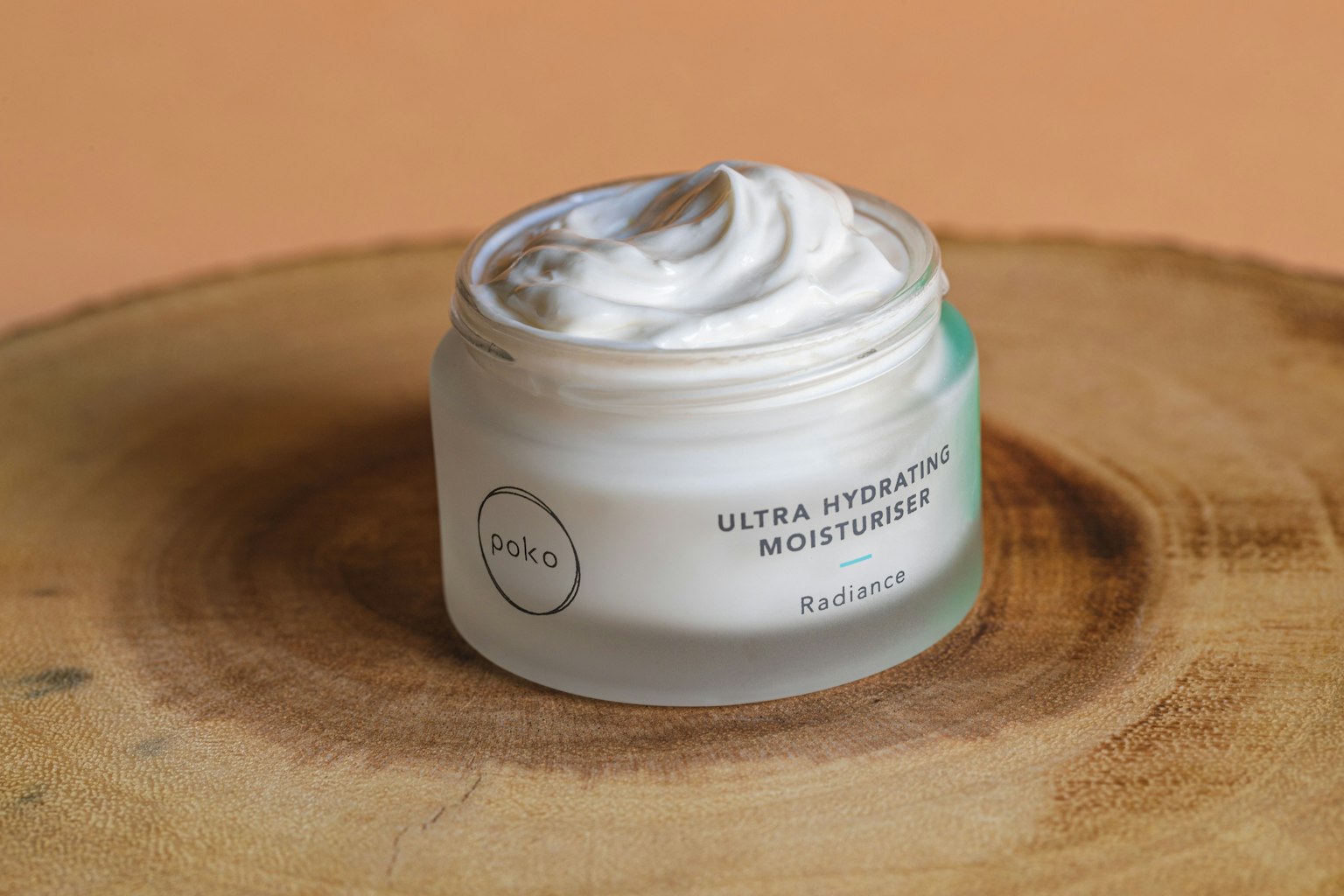
This is the single most important habit. Applying moisturizer to damp skin traps water in before it evaporates. In winter, choose a thicker cream or body butter over a light lotion. Ingredients worth looking for include ceramides, glycerin, shea butter, and petrolatum.
6. Give Extra Care to Hands, Elbows, and Heels
These areas take the most wear. Keep a hand cream by the sink and in your bag, and reapply after every hand wash. At night, apply a thick balm to heels and elbows and slip on cotton socks for an overnight treatment.
7. Add Moisture Back to the Air
A humidifier in your bedroom helps your skin hold on to water overnight. Many people notice less itching and fewer flaky patches within a week of using one regularly.
8. Choose Soft, Breathable Fabrics
Scratchy wool directly against dry skin can trigger itching. Layer a soft cotton or modal base under sweaters, and wash clothes with a fragrance-free detergent.
Habits That Make Winter Skin Worse
- Heavily fragranced lotions. Fragrance can irritate dry, sensitized skin. Save scented products for occasional use.
- Scratching. It feels good for a second but damages the barrier and makes itching worse. Moisturize instead.
- Sitting right next to the heater. Direct dry heat pulls moisture from your skin quickly.
- Forgetting to drink water. Hydration alone will not fix dry skin, but it supports your overall health in the drier months.
Looking after your face too? Read our winter skincare routine for dry skin and our guide to bedroom humidifiers.
Frequently Asked Questions
Is body lotion or body cream better for winter?
Creams and body butters are usually better in winter because they contain more oils and emollients that seal moisture in. Lotions are lighter and work well in humid summer months.
How often should I moisturize my body in winter?
At least once a day, right after showering. Very dry areas like hands and heels may need reapplying several times a day.
Why are my shins so dry and itchy?
Shins have very few oil glands, so they are often the first place to dry out. Moisturizing on damp skin and avoiding hot showers usually helps. If the itching is severe, cracks, or does not improve, check in with a dermatologist, since conditions like eczema can look similar.
Final Thoughts
Soft winter skin comes down to a handful of gentle habits: shorter, cooler showers, a mild cleanser, moisturizer on damp skin, and a little extra love for hands and heels. Stick with it for a week or two and you will feel the difference every time you slip into your favorite sweater.